
The shelf price, without fiction
Staffing is tight. In supermarkets, the predictable happens: instead of continuously replacing shelf labels, teams get pulled into other tasks and outdated prices stay on the shelf until customers complain. That is not “operational noise” — it is risk. It can amount to misleading advertising and price manipulation, and in some jurisdictions it can even be criminal exposure.
Aletheia is an automatic, in-store shelf price auditing system. It can run while the store is closed: the manager receives a clean, objective list of shelf pricing errors (with proof), then replaces labels quickly, focused only where it matters. Better staff allocation. Lower legal and reputational risk.
- B2B only: for operators with an expensive problem (not a consumer gadget).
- Defensible proof: image + timestamp + location + history.
- Continuous auditing: regular coverage, not sample-based theatre.
- System validation: cross-checks against the official price database.
- Pipeline: in development because it requires robotics in real stores.
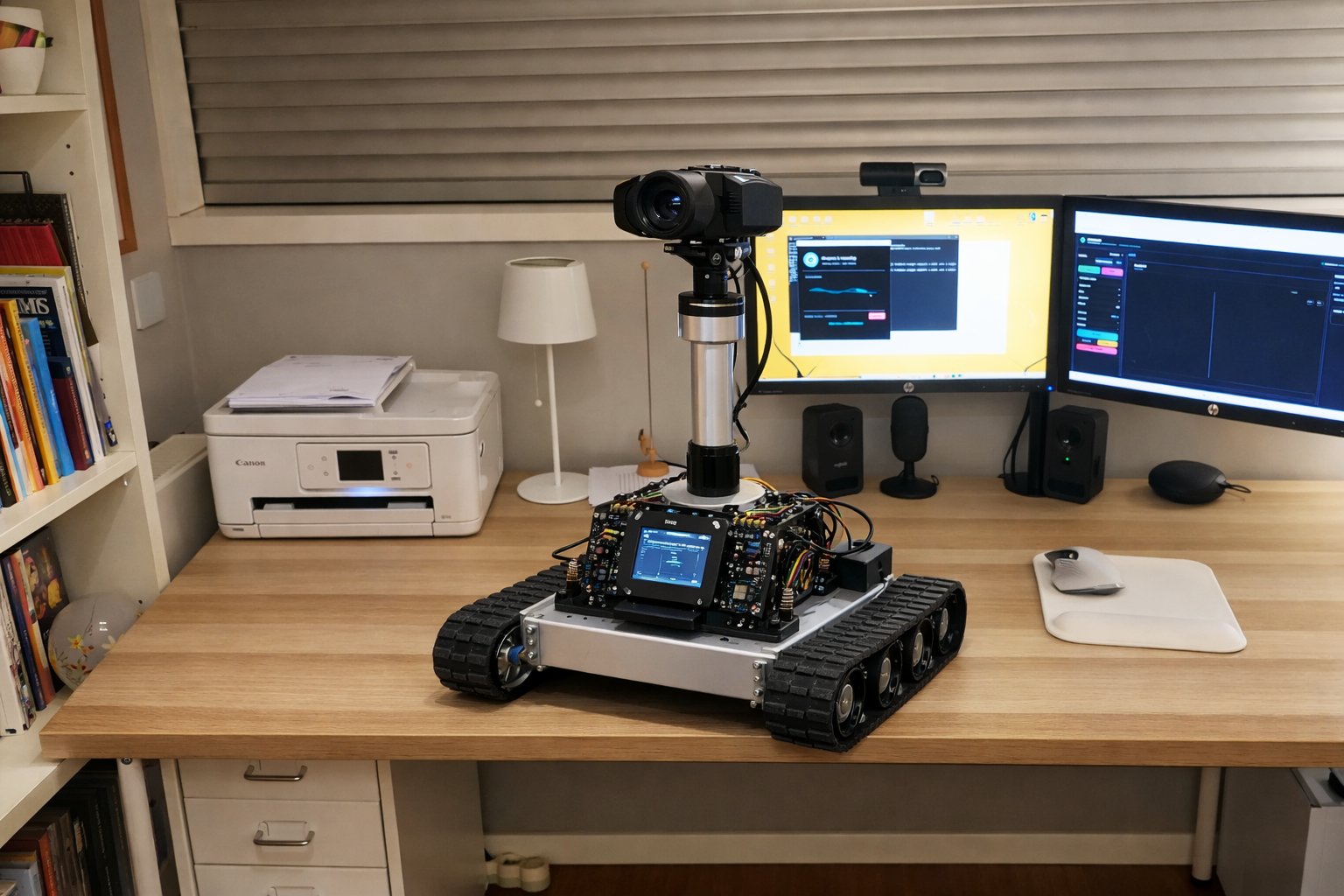 Prototype UI - IA generated
What it is
An automatic physical-store price auditing system
- An autonomous robot that patrols aisles and captures evidence.
- Vision + rules that read shelf price labels in real conditions.
- Label ↔ product association (not just reading numbers).
- Validation against the retailer’s official price database.
- Auditable evidence generation: logs, images, history, traceability.
- Alerts when the shelf price is wrong.
Commercially, in plain terms
- Reduces legal exposure: the displayed price binds the retailer.
- Reduces operating cost: full audits without permanent human teams.
- Reduces fraud: detects repeated patterns by store/aisle/category.
- Creates control: decisions based on data, not anecdotes.
The real problem
In European physical retail, especially grocery
- Pricing errors happen every day.
- Law is strict: the displayed price binds the merchant.
- Fines, complaints, class actions drive reputational and financial costs.
- Manual audits are slow, expensive, incomplete, and sample-based.
Aletheia solves four pains at once
- Coverage: every aisle, on a schedule.
- Evidence: image + timestamp + location (plus history).
- Traceability: audit-ready logs and exports.
- Automation: off-hours runs without dedicated staffing.
Who it is for
Direct customers
- Supermarket chains (mid and large scale).
- Cash & carry groups.
- Specialized retail with dynamic pricing.
Not for
- Small shops.
- Curious early adopters.
- Operators who do not have a costly compliance problem.
Typical decision-makers
- Operations leadership.
- Compliance / Legal.
- Internal Audit.
- Pricing & Revenue Management.
- Loss prevention / internal controls.
Value proposition
1) Cost reduction
- One robot replaces many hours/day of repetitive checks.
- Reduces reliance on periodic external audits.
- Runs off-hours or in controlled windows.
2) Legal risk reduction
- Every failure includes evidence: image, location, time, history.
- Defensible material for inspections and disputes.
3) Operational control
- Highlights problematic stores, aisles, and categories.
- Enables targeted, fast label replacement where it matters.
- Turns noise into operational KPIs.
4) Competitive differentiation
- “Continuous price auditing” is a strong governance claim.
- Useful for internal control and, when needed, responsible external reporting.